

toughened glass 10 mm price
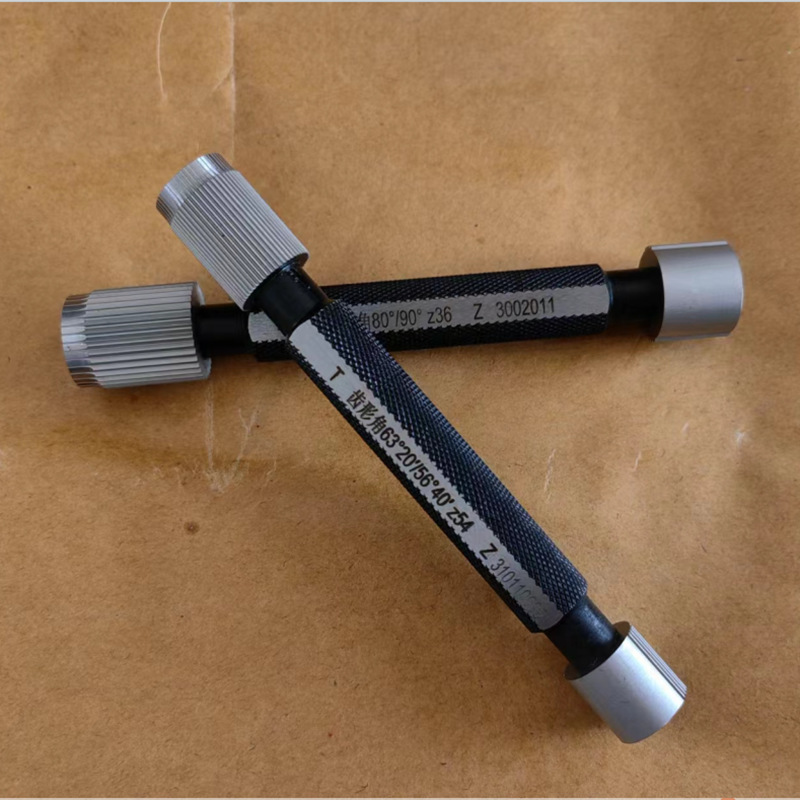
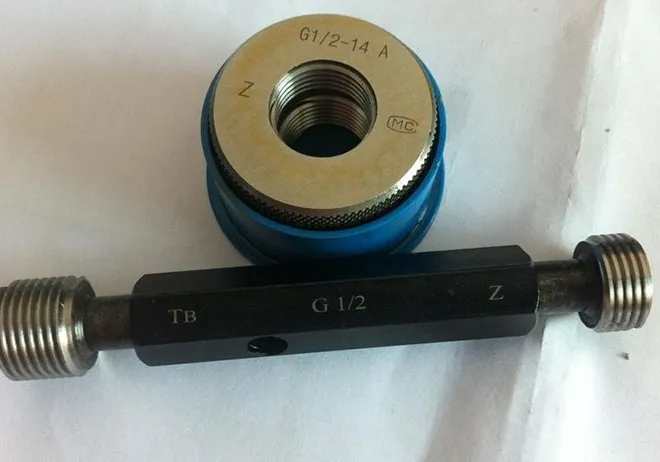
Understanding Plain Ring Gages A Comprehensive Overview Plain ring gages are essential tools in the field of manufacturing and quality control, serving a critical role in ensuring the accuracy and precision of various components. These gages are used primarily to measure the outside diameters of cylindrical objects and can be found in a variety of industries including automotive, aerospace, and general manufacturing. A plain ring gage typically features a simple, circular design with a precise internal diameter that corresponds to a specific size. The primary function of these gages is to provide a go/no-go measurement for parts that need to conform to specified diameters. This means that a part that fits into the “go” side of the gage is considered acceptable, while one that does not fit is rejected. This binary assessment is crucial in maintaining tight tolerances and ensuring the overall quality of manufactured products. One of the significant advantages of using plain ring gages is their simplicity in design and ease of use. Operators can quickly determine whether a component meets the required specifications without the need for complex measurements or calculations. This efficiency saves both time and resources on the production line. Moreover, because plain ring gages do not rely on electronic components, they are often more durable and require less maintenance than more sophisticated measuring devices. plain ring gages Plain ring gages are made from high-quality materials, such as hardened steel or carbide, to withstand wear and tear during repeated use. These gages are meticulously manufactured to ensure that their dimensions are accurate and consistent. In many cases, the accuracy of a plain ring gage can be certified, allowing manufacturers to rely on them as trustworthy measurement tools. The calibration of plain ring gages is paramount. Regular checks and recalibrations ensure that they provide reliable measurements over time . Organizations often follow stringent processes to ensure that their gages remain within tolerance limits. Documentation of calibration history is also essential for quality assurance purposes, particularly for industries that are heavily regulated, such as aerospace or medical manufacturing. In addition to the basic “go/no-go” functionality, plain ring gages can be utilized in various applications, such as checking the internal diameter of a hole when used in conjunction with other tools. They can also come in different tolerances, offering manufacturers the ability to select gages that best suit their specific requirements. In conclusion, plain ring gages are invaluable tools for maintaining the precision and quality of manufactured components. Their straightforward design, ease of use, and reliability make them a staple in many industries. By understanding the function and importance of these gages, manufacturers can better ensure that their products meet the highest standards of excellence. As industries continue to evolve and demand for accuracy grows, the role of plain ring gages will remain critical in achieving robust quality control processes.
about
toughened glass 10 mm price
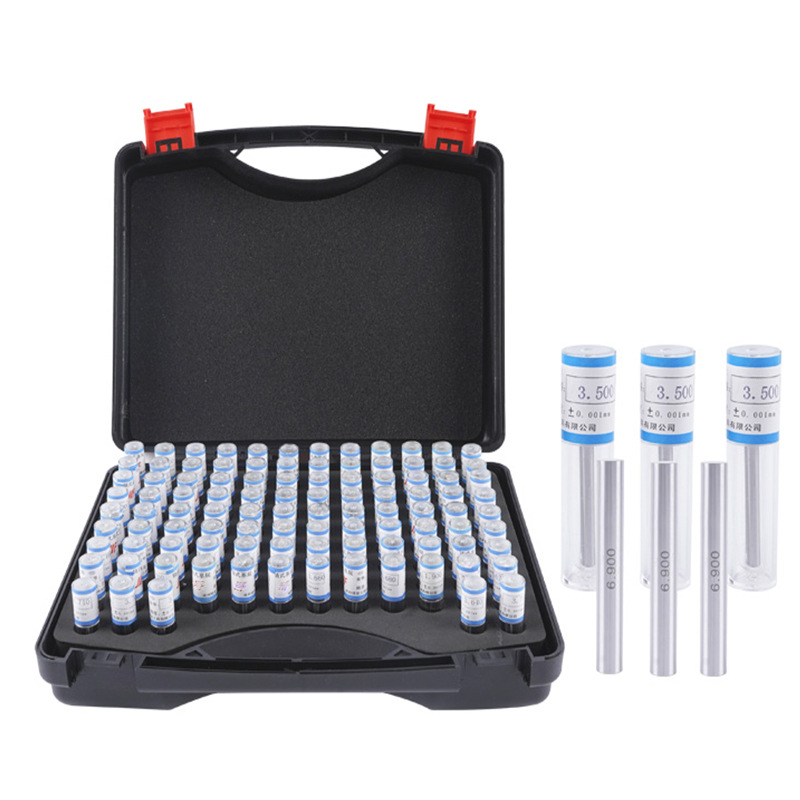
Understanding the Machinist Gauge Pin Set A Comprehensive Overview In the world of machining and metalworking, precision is paramount. Machinists rely on a variety of tools to ensure their work meets strict specifications, and one essential tool in this toolkit is the gauge pin set. This article delves into the significance, applications, and benefits of machinist gauge pin sets, providing insights into why they are indispensable for accurate measurements and quality control in machining. What is a Gauge Pin Set? A gauge pin set is a collection of cylindrical pins, each precisely manufactured to specific diameters. These pins serve as a reference for measuring the dimensions of holes or slots and play a crucial role in assessing the accuracy of machined parts. Typically, gauge pins are made from high-speed steel or tool steel, which provides durability and resistance to wear. They are often ground to tight tolerances, ensuring that they can deliver the required precision for various applications. Importance of Gauge Pins in Machining The primary function of gauge pins is to enable machinists to check the size and roundness of holes, ensuring they conform to designated specifications. Incorrectly sized holes can lead to assembly issues, impacting the overall performance and safety of the machined part. Gauge pins can be used to verify the internal diameters of bores, the size of reamed holes, and in applications requiring a high level of precision. Gauge pins come in various grades, including diameter grades and tolerance grades. For instance, some pins are intended for use in quality control, while others may be used as functional or assembly fits. Different applications dictate the need for various grades, making gauge pin sets versatile tools for machinists. Applications in Industries Gauge pin sets find extensive application across multiple industries, including automotive, aerospace, manufacturing, and tool making. In the automotive industry, for example, they may be used to check the dimensions of engine parts, ensuring they fit together correctly and function as intended. In aerospace, where precision is crucial for safety, gauge pins help maintain quality standards in critical components. machinist gauge pin set Moreover, in manufacturing environments where mass production occurs, maintaining consistency is vital. Gauge pins facilitate rapid measurement checks, allowing for immediate adjustments in production processes to adhere to tight tolerances. Benefits of Using Machinist Gauge Pin Sets 1. Accuracy The foremost advantage of gauge pin sets is their accuracy. With manufacturing tolerances often measured in microns, these pins allow machinists to achieve the level of detail necessary for high-quality products. 2. Time Efficiency Implementing gauge pin checks in production processes can significantly reduce the time spent on inspection. By quickly verifying measurements with gauge pins, machinists can streamline their workflow and minimize downtime. 3. Cost-Effectiveness While the initial investment in a high-quality gauge pin set may seem significant, the long-term savings are substantial. By ensuring parts are manufactured to specification on the first attempt, companies can reduce waste and avoid costly rework. 4. Ease of Use Gauge pin sets are straightforward to use, requiring minimal training. Their simple cylindrical design allows machinists of all skill levels to incorporate them into their inspection routines seamlessly. Conclusion In conclusion, machinist gauge pin sets are vital tools in the precision machinery landscape. Their ability to provide accurate measurements, facilitate quality control, and enhance manufacturing efficiency makes them essential for a wide array of industries. By investing in a reliable gauge pin set, machinists not only ensure the accuracy of their work but also contribute to the overall quality of the products they produce. Ultimately, the gauge pin set exemplifies how a small tool can have a significant impact on the efficiency and success of machining operations.
-

High quality industrial productsagement

High quality industrial products
View Details -

Meet the diverse needs of customers

Meet the diverse needs of customers
View Details -

Strict quality control

Strict quality control
View Details -

Top raw materials

Top raw materials
View Details -

Trusted supplier

Trusted supplier
View Details
Our application

news and information

Wooden Villa House Truss Repair Using Nail Plates for Enhanced Structural Integrity
Understanding Truss Mending Nail Plates for Wooden Villas In the construction of wooden villas, stru
Water Flow Control Through Main Valve Systems for Efficient Management
Understanding Main Valve Water Systems A Comprehensive Analysis In the realm of fluid dynamics and w
welding table heavy duty
Heavy Duty Welding Tables The Backbone of Metal Fabrication Welding is an essential process in metal
 English